Traveling with Chronic Fatigue: Traveling When Energy is Your Most Precious Currency
Traveling with chronic fatigue no matter the cause is like playing a strategic video game where your energy bar is constantly depleting. But here’s the secret: with the right game plan, you can absolutely explore the world without completely running out of battery.
Planning ahead: it’s not optional when you have chronic fatigue
Planning your trip out and being thoughtful are absolutely required to travel with chronic fatigue. You have to know yourself and your limits. Follow the tips below to make the most out of your pre-trip planning.
Destination Selection is Everything
Not all trips are created equal. I learned this after an 11 day trip with a bunch of high schoolers that left me in tears most nights from exhaustion. And it took me 2 weeks to recover.
Key Considerations:
– Climate compatibility with your condition
– Accessibility infrastructure
– Proximity to medical facilities
– Potential environmental trigger
– Pace and purpose of the trip
Choose a destination that allows you to still take care of yourself. There are some places I would love to go, but right now I know I won’t enjoy it, so I spend my time traveling to places I know I can fully experience and enjoy.
Your accommodation is where you recharge-choose it carefully
Look beyond just a pretty room. You need a space that’s basically a healing sanctuary with a view. You want a space that feels safe, comfortable and restorative. This is where you will recharge that battery so take care to book a stay conducive to what you need.
Must-haves:
– Ground floor or elevator access
– Room with kitchenette for controlled meal prep if that helps you
– Accessible bathroom. Let’s not spend all our energy just trying to get ready for the day
– Flexibility in check-in/check-out times
– Comfortable bed
Read more about how I to choose a hotel here.
How you get there matters as much as where you’re going
Choosing Your Travel Mode
– Trains often provide more movement flexibility
– Direct flights minimize energy-draining transfers
– Consider private transport options if group travel is too overwhelming
On a recent tour of France we opted for private transfers or rented a car when moving from place to place. This saved so much energy for me as we were never standing around waiting in line for a taxi or finding ourselves having to walk long distances. We were quickly picked up and dropped off right where we needed to be.
Pack like your energy depends on it because it does
Your packing list is now a strategic energy conservation toolkit. Pack thoughtfully and make sure to bring the items that help you most get through your day.
Consider packing:
– Lightweight mobility aids
– Portable cooling/heating devices
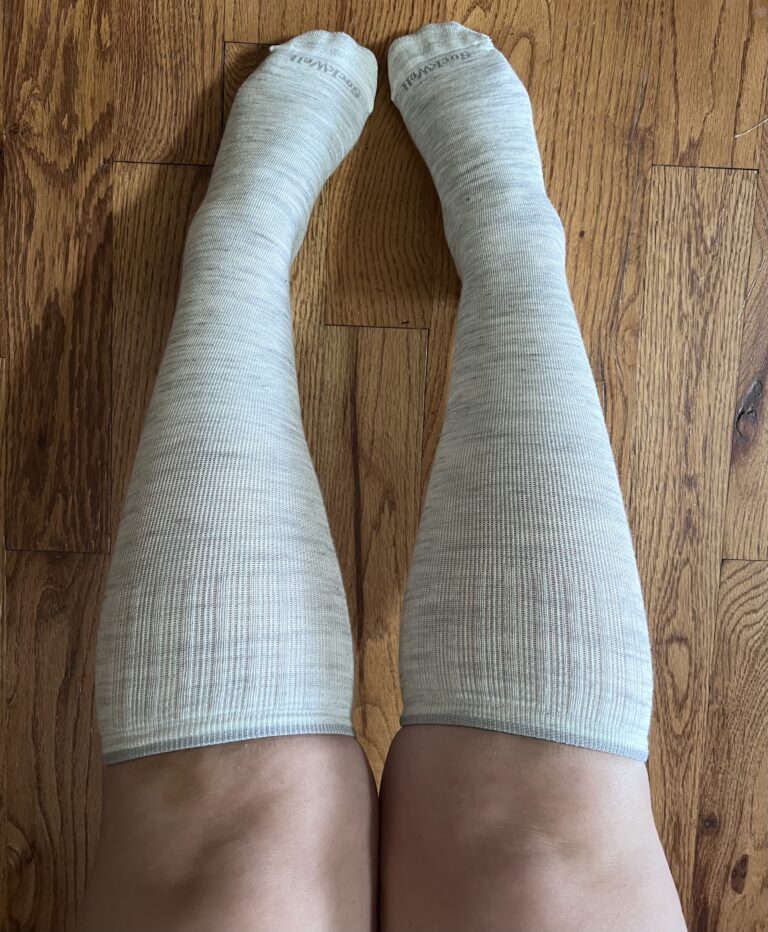
– Compression wear
– Medication organizers
– Noise-canceling headphones (sensory management is energy management)
Once you’re there: making the most of each day
Build your day around your energy, not the itinerary
One thing I’ve learned the hard way: don’t plan your days the way a healthy person would. Plan them around when you actually have energy. For me that usually means a slower morning, my best hours in late morning to early afternoon, and a real rest in the middle of the day before anything in the evening. Your pattern will be different — but you probably already know it. Use it.
Sample Energy-Conscious Itinerary:
– Morning: Gentle, low-intensity activity
– Midday: Extended rest period
– Evening: Moderate exploration
– Night: Complete recovery mode
Planning strategically will help you get the most out of your trip. Knowing when you tend to have the most energy vs. your lowest energy points of the day are important. Don’t fool yourself into thinking because you are on a great trip you will magically find more energy.
Realistic Expectation Setting
Pro tip: Your travel doesn’t need to look like an Instagram highlight reel. Some days, “exploring” might mean watching the world from your hotel balcony or a cafe– and that’s completely valid.
A few apps and tools worth having before you go
– Mobility apps with accessibility ratings
– Digital medical record backups
– Translation apps for explaining medical needs
– Energy tracking applications
– Offline maps to reduce navigation stress-so helpful whether in a new place or one you have been to multiple times. Our needs change quickly so finding a rest location regardless if you have service or not can be a game changer.
There are so many apps and devices that can help you track your energy these days. Try some of them out BEFORE you travel to see if they can be helpful.
Budget for the things that protect your energy
Budget for:
– Potential medical emergencies
– Extra rest days-consider adding days specifically for rest with no activities scheduled
– Possible upgraded transportation
– Adaptive equipment rentals
As I said above, we budgeted for private transfers on our last big trip and it was totally worth it. Splurge on things that will save you energy and make your trip more enjoyable.
Travel Insurance: Non-Negotiable
Get comprehensive coverage that understands chronic conditions. Read the fine print. It is very important to understand every detail of the policy you get. Travel insurance can give some peace of mind and minimize stress if you know you will be taken care of if you have a flare or have to end the trip early for some reason.
Don’t forget: mental energy counts too
Traveling isn’t just physical. Your emotional and mental bandwidth matters equally.
Strategies:
– Build buffer days between activities-how many times can I say this?
– Practice saying no to exhausting social interactions
– Create quiet, sensory-friendly moments
– Connect with supportive travel companions who understand your rhythm-who you travel with can be just as important as where you go
Something I didn’t expect
Here’s something I didn’t anticipate when I started traveling with chronic illness: I actually pay more attention now. When you can’t race through a place, you end up sitting longer in a square, noticing more, talking to people you might have walked past. Some of my favorite travel moments have happened on the days I had to slow down.
That’s not toxic positivity — some days are genuinely hard and it’s okay to say so. But there’s something real in the idea that traveling differently doesn’t mean traveling less.
A few last things I’d tell a friend
– Always pack a “recovery kit”
– Communicate your needs unapologetically
– Celebrate small victories
– Remember: Rest is not a failure, it’s a strategy
The Bottom Line
Traveling with chronic fatigue is genuinely possible. It just looks a little different than what you see on most travel blogs. Slower. More planned. With rest built in on purpose rather than squeezed in when you collapse.
And honestly? That’s not a lesser version of travel. It’s just yours.
If you’re starting to plan a trip and want to make sure you’ve got the essentials covered, grab my free chronic illness travel packing list. It’s built specifically for travelers like us — everything you actually need, including the things most packing lists never think to mention.
Happy Travels,
Traci